
What Are Grow Bags? Complete Guide to Benefits, Uses & Growing Tips
Grow bags are one of the easiest ways to start a home garden when you do not have a traditional garden bed. They let you grow vegetables, herbs, flowers and other plants on balconies, terraces, rooftops, patios and small outdoor spaces. In this guide, you will learn what grow bags are, how they work, how to grow in grow bags, how to fill soil in grow bags, how to choose the right size, and how mushroom grow bags are different.
What Are Grow Bags?
A grow bag is a flexible planting container filled with a suitable growing medium where a plant develops its roots. Unlike a rigid pot, a grow bag has soft sides and is designed to provide a practical root environment while making container gardening easier to move and organize. Grow bags are especially useful where planting directly in the ground is not possible.
How Do Grow Bags Work?
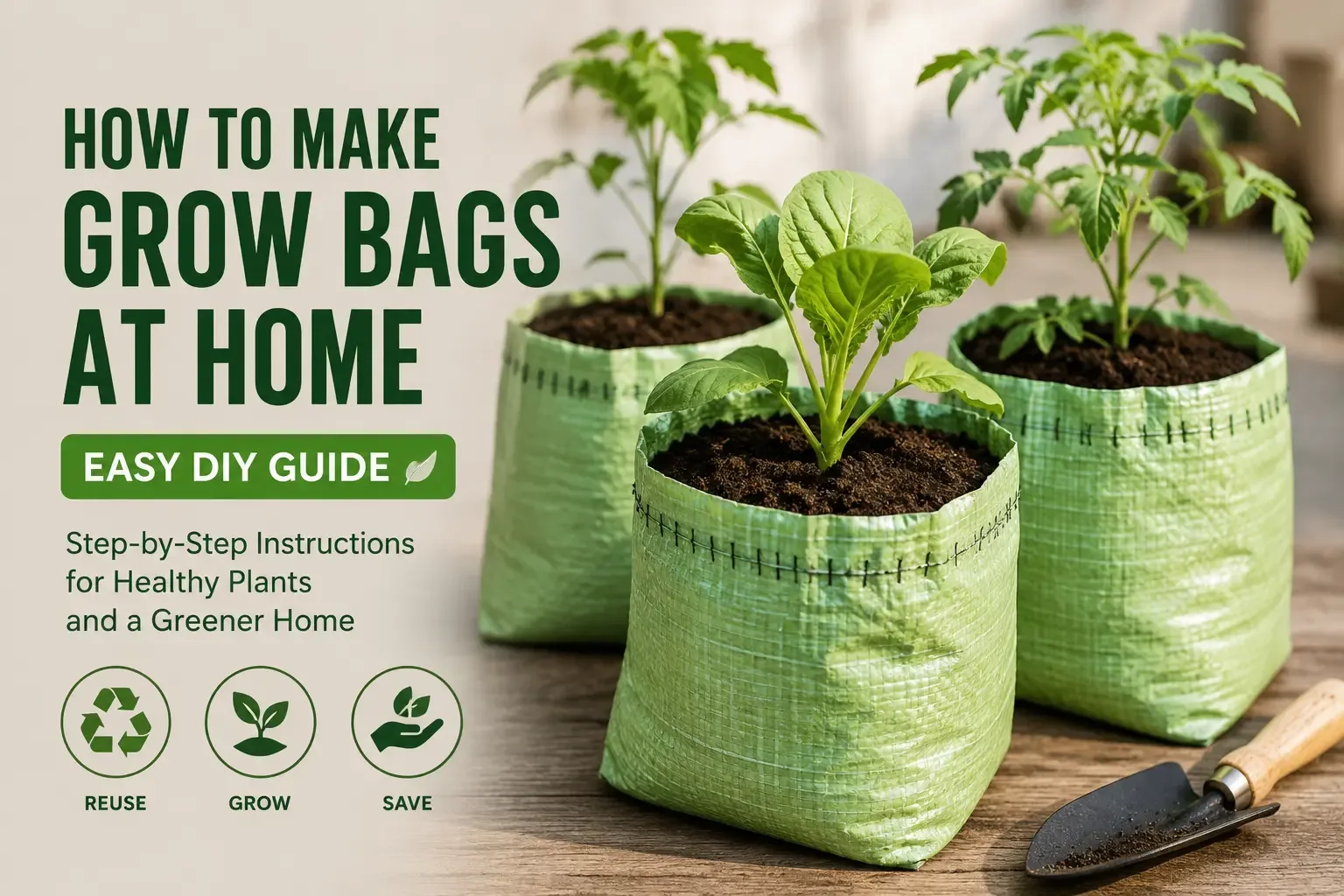
The process is simple: choose a grow bag that matches your crop, fill it with a loose and well-draining growing medium, plant seeds or seedlings, and provide the right sunlight, water and nutrients. Good drainage matters because roots need both moisture and oxygen. The size and depth of the container should also match the plant’s root system.
Benefits of Growing Plants in Grow Bags
- Space saving: ideal for balconies, terraces, patios and rooftop gardens.
- Portable: containers can be moved to better sunlight or protected from harsh weather.
- Good drainage: a properly designed grow bag can help excess water escape.
- Flexible sizes: different depths and shapes suit different crops.
- Reusable: durable grow bags can often be cleaned, stored and reused.
- Easy crop planning: you can separate crops without creating a permanent garden bed.
Types of Grow Bags
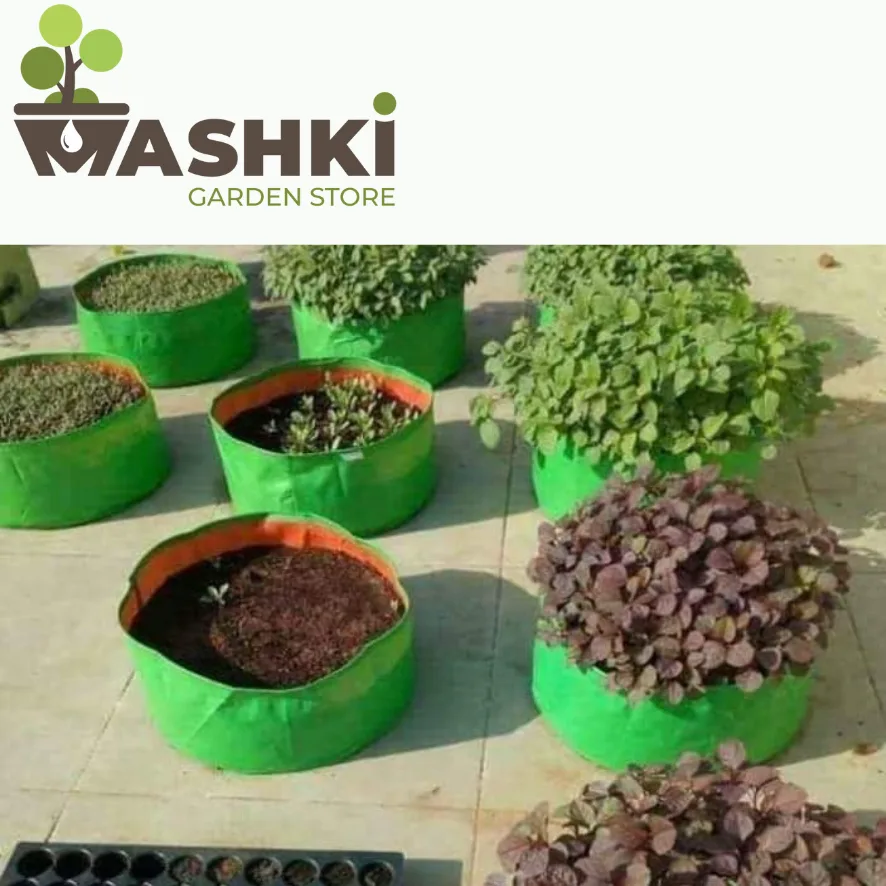
Grow bags come in different materials, shapes and sizes. The right option depends on the crop, root depth, available space and how much stability the plant needs. Mashki offers HDPE grow bags, compact bags for leafy greens, deep bags for root vegetables and rectangular grow bags for efficient use of space.
HDPE Grow Bags
HDPE grow bags are a practical choice for gardeners looking for durable, reusable planting containers. Explore Mashki HDPE Grow Bags: Mashki HDPE Grow Bags
Grow Bags for Leafy Greens
Spinach, coriander, methi, herbs and microgreens can work well in appropriately sized shallow containers. Mashki Spinach Series Grow Bags are designed for compact leafy-green gardening: Mashki Spinach Series Grow Bags
Deep Grow Bags for Root Vegetables
Carrots, radishes and other root crops need enough depth for their roots to develop. Mashki Carrot and Radish Grow Bags are designed for this type of planting: Mashki Carrot and Radish Grow Bags
Rectangular Grow Bags
Rectangular grow bags can make better use of narrow balconies, terrace edges and other spaces where a round container may waste room. Explore Mashki Rectangular Grow Bags: Mashki Rectangular Grow Bags
How to Grow in Grow Bags
Growing in grow bags is straightforward when you match the container to the crop and prepare the growing medium correctly.
- Choose a grow bag with enough width and depth for the plant.
- Place the bag where the crop receives suitable sunlight.
- Make sure drainage points are not blocked.
- Fill the bag with a loose, nutrient-rich, well-draining growing medium.
- Plant seeds or healthy seedlings at the recommended depth.
- Water thoroughly and allow excess water to drain.
- Monitor moisture and feed the plant according to its needs.
- Check regularly for pests, weeds and signs of plant stress.
How to Fill Soil in Grow Bags
Knowing how to fill soil in grow bags is important because compacted or poorly draining soil can restrict root growth. Open and shape the grow bag on a stable surface, then add your growing medium gradually. Do not pack it tightly. Leave a small gap at the top so watering does not wash the medium over the edge, and water once after filling to help it settle naturally.
- Use a loose, well-draining growing medium suited to the crop.
- Fill gradually without compressing the medium.
- Leave some space at the top for watering.
- Water after filling so the medium settles naturally.
- Top up lightly if the level drops significantly.
If you prefer a ready-to-use option for container gardening, see Mashki Potting Soil: Mashki Potting Soil
What Can You Grow in Grow Bags?
You can grow many plants in grow bags, including spinach, coriander, methi, herbs, tomatoes, chillies, peppers, radishes, carrots, flowers and other vegetables. The key is to select the right bag size and depth for the plant’s root system and mature size.
How to Make Mushroom Grow Bags
Mushroom grow bags are different from ordinary vegetable grow bags. They are typically designed to hold a mushroom-growing substrate and maintain conditions needed for colonization and fruiting. The exact process depends on the mushroom species and substrate, so a mushroom cultivation bag should not simply be treated like a vegetable planter.
- Choose a bag designed for mushroom cultivation and suitable for the species.
- Prepare and hydrate the growing substrate using a reliable cultivation method.
- Sterilize or pasteurize the substrate as required.
- Inoculate under suitably clean conditions.
- Maintain the temperature, humidity, ventilation and light requirements of the mushroom species.
How to Choose the Right Grow Bag Size
Choose grow bag size based on root depth, mature plant size, spacing and water requirements. Shallow bags can suit leafy greens and herbs, while deeper bags are better for carrots and other crops that develop below the surface. Larger plants generally need more root space and a stable container.
Common Grow Bag Mistakes to Avoid
- Using a bag that is too small for the crop.
- Overwatering or blocking drainage.
- Using heavy, compacted soil that restricts roots.
- Giving sun-loving plants too little light.
- Planting too many crops in one bag.
- Ignoring pests, nutrient deficiencies or plant stress.
Why Choose Mashki Grow Bags?
Mashki focuses on practical gardening products that make home growing easier. The range includes options for leafy greens, root vegetables, compact spaces and larger planting setups. Instead of using one container for every crop, you can choose a size and shape that matches what you actually want to grow.
- Mashki HDPE Grow Bags: Mashki HDPE Grow Bags
- Mashki Spinach Series Grow Bags: Mashki Spinach Series Grow Bags
- Mashki Carrot and Radish Grow Bags: Mashki Carrot and Radish Grow Bags
- Mashki Rectangular Grow Bags: Mashki Rectangular Grow Bags
Grow Bag FAQs
Are grow bags better than pots?
Grow bags can be a useful alternative to rigid pots, especially when you want lightweight, movable containers and efficient use of space. The better option depends on the crop, location and quality of the container.
Can I reuse grow bags?
Many durable grow bags can be reused when emptied, cleaned and stored properly. Inspect them before reuse and replace any bag that has become damaged or unsuitable.
Do grow bags need drainage holes?
Yes. Excess water needs a way to leave the container. Follow the drainage design of the particular grow bag and avoid blocking drainage points.
Can I use ordinary garden soil in a grow bag?
You can, but very heavy garden soil may compact inside a container. A suitable loose, well-draining growing medium is generally easier for container gardening.
Start Growing with the Right Grow Bag
Grow bags make container gardening accessible even when you do not have a traditional garden. Choose the right size, prepare a healthy growing medium, provide proper sunlight and watering, and match the container to the crop. If you are ready to start, explore Mashki Grow Bags: Mashki HDPE Grow Bags
No Comments